
UPPI Prof. Emeritus Nimfa Ogena represents Demography at PSSC-RTD
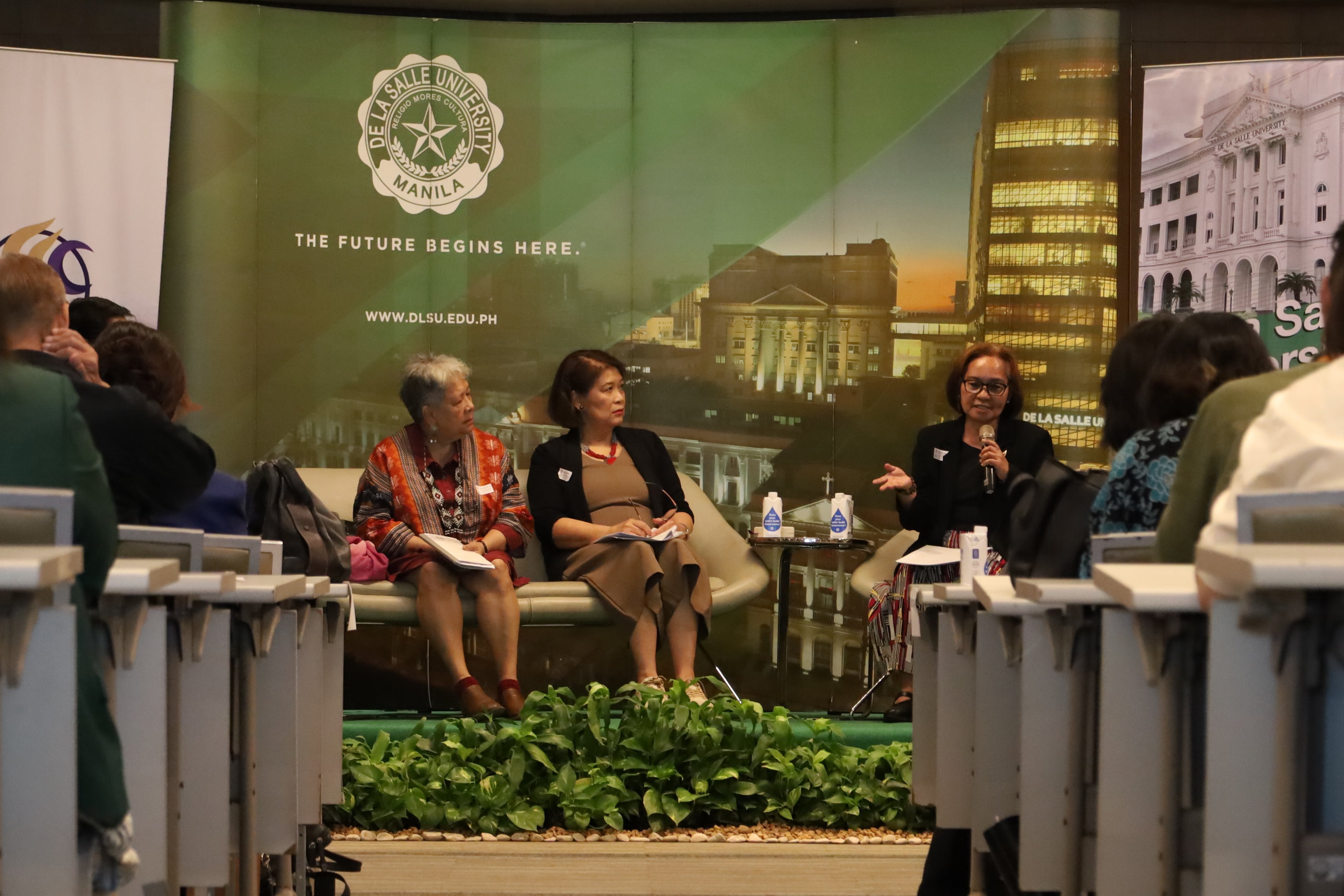
Dr. Ogena shares her insights with the other panelists during the round-table discussion.
Photo credits: DLSU Social Development Research Center (SDRC) and DLSU Strategic Communications Office (STRATCOM)
UPPI Professor Emeritus Nimfa Ogena represented the field of Demography in “The Past, Present, and Future of the Philippine Social Sciences: The Third Roundtable Discussion” at De La Salle University, Manila, on July 14, 2026. The event was hosted by the Philippine Social Science Council (PSSC) in partnership with the De La Salle University–Social Development Research Center (DLSU-SDRC).
She joined other panelists from various social science disciplines, including Prof. Cynthia N. Zayas, PhD (Anthropology); Prof. Elena E. Pernia, PhD (Communication); Prof. Joseph E. Palis, PhD (Geography); and Executive Director Gladys Q. Bunao, RSW (Social Work). The panelists discussed the historical evolution, current landscape, and future of the Philippine social sciences in the context of their respective fields.
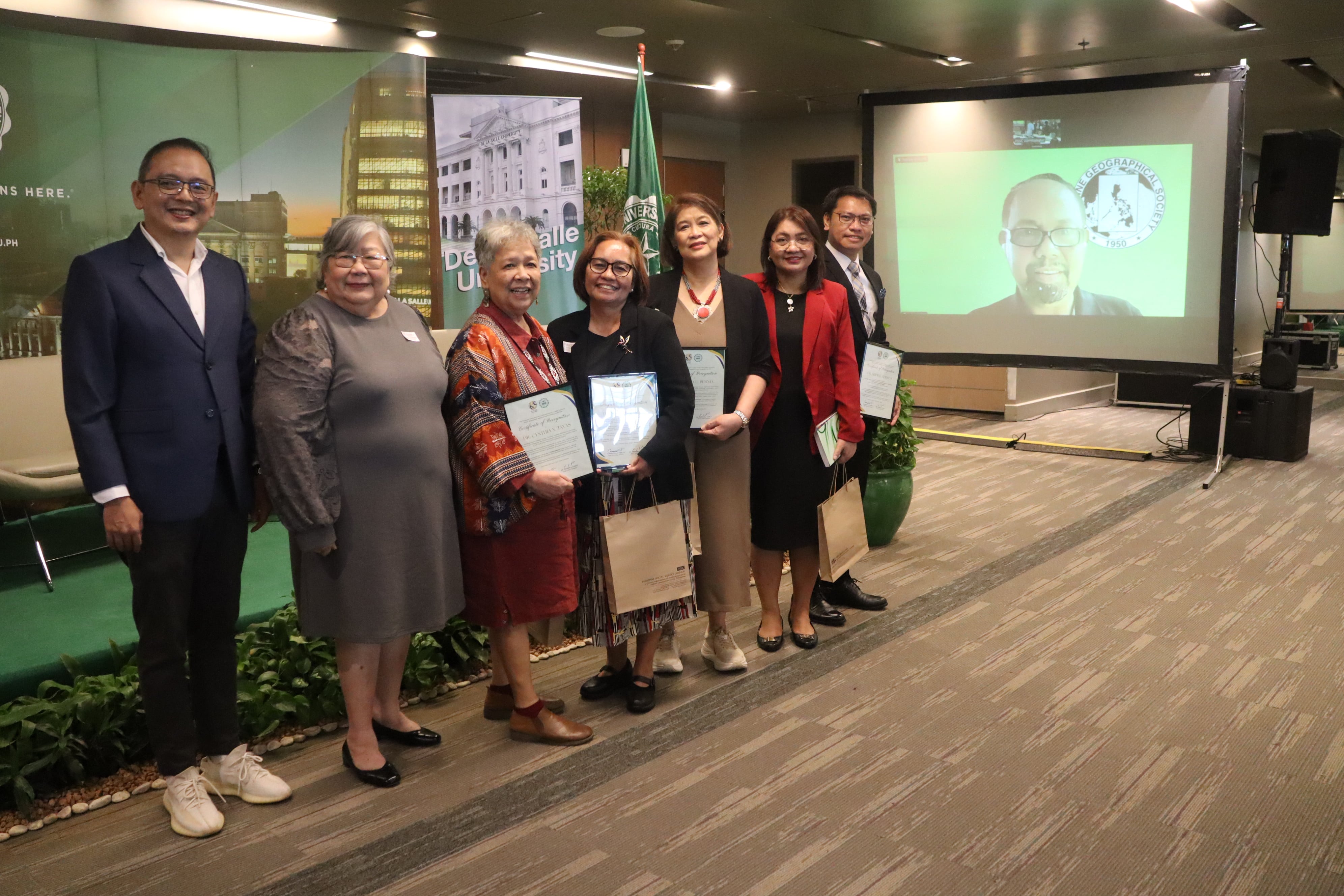
The hosts and panelists pose for a group photo during the awarding ceremony.
Photo credits: DLSU Social Development Research Center (SDRC) and DLSU Strategic Communications Office (STRATCOM)
Dr. Ogena highlighted how the early days of Philippine demography were dominated by concerns over rapid population growth. However, with the country now experiencing an all-time low fertility rate, she urged the next generation of demographers to build a robust “theoretical, methodological, and institutional infrastructure.”
As the country prepares for the demographic shift toward an aging society, Dr. Ogena emphasized the importance of examining pension and elderly care systems while maximizing the demographic dividend.
Furthermore, Dr. Ogena advocated for a shift toward granular, subnational demography to analyze fertility alongside other socioeconomic factors at the regional and municipal levels. She envisioned placing migration at the center of the discipline, fully integrating it with fertility and aging while acknowledging the heavy toll of brain drain on both the working-age population and their dependents. Finally, she pointed to the growing potential of population science to address climate-induced displacement.
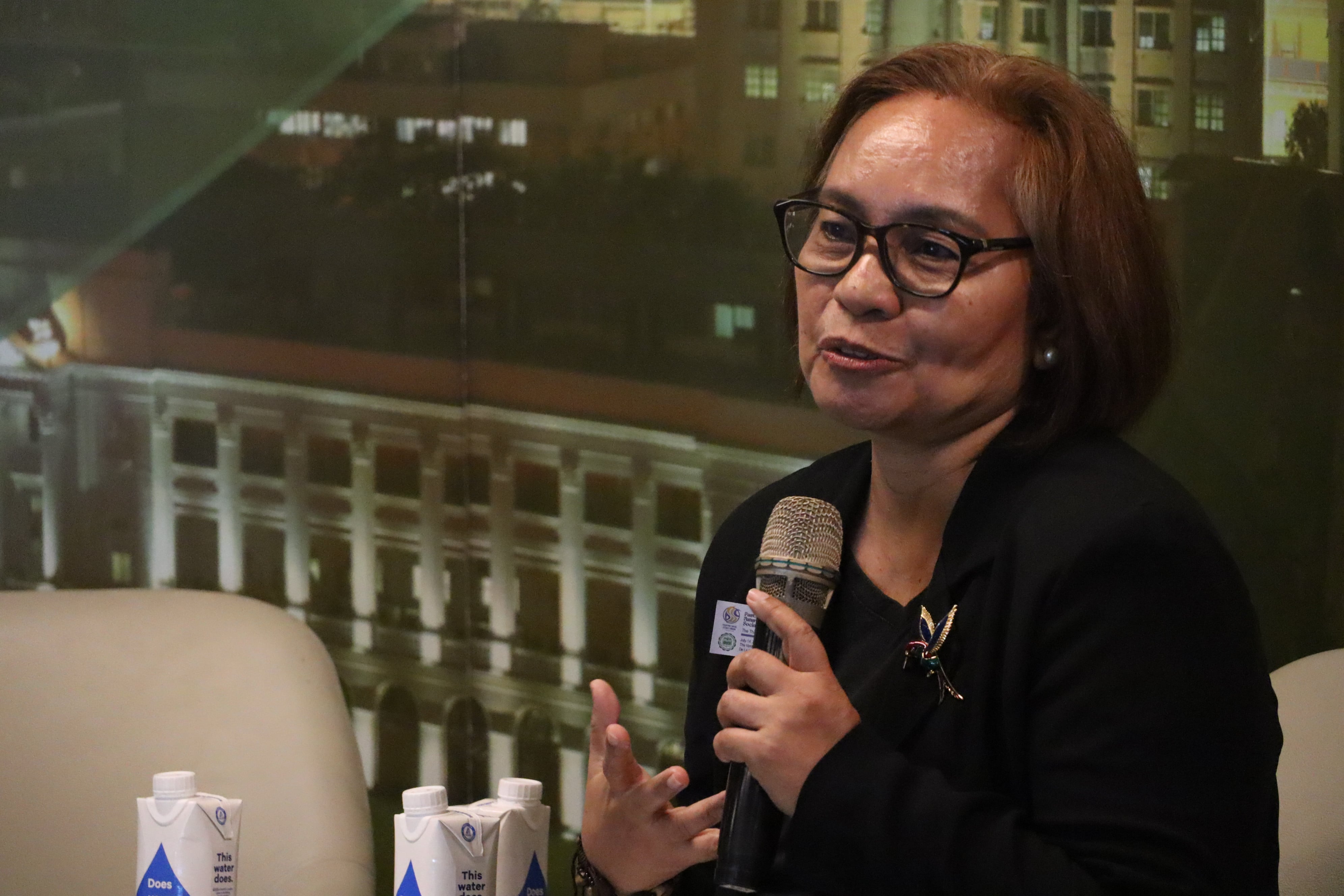
Dr. Ogena addresses the future of Philippine Demography during her closing message.
Photo credits: DLSU Social Development Research Center (SDRC) and DLSU Strategic Communications Office (STRATCOM)
When asked about the future of Philippine Demography, Dr. Ogena directed her closing message to the new generation of demographers. She gently reminded them of their moral and professional responsibility as the nation shifts toward an aging society and faces the challenges that come with it:
“So just remember, numbers exist to serve the people, not the reverse. Population data should always improve lives, never become an instrument of control… Groundedness in Philippine realities must remain non-negotiable… The Philippines has quietly become a different demographic country than the one this field was built to study. And the next generation’s test is to notice that before the data forces them to.”
Share